


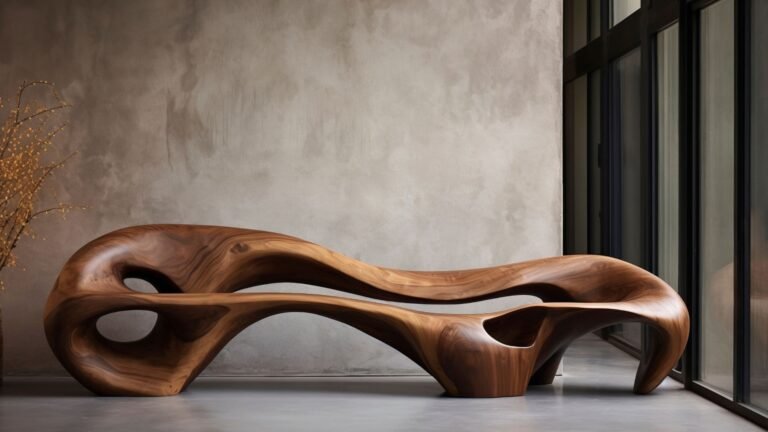
The Aesthetics of Grain: Understanding How Wood Patterns Shape Visual Warmth
Have you ever walked into a room and instantly felt calm, like the space itself is breathing slower than you are? Chances are, there’s wood somewhere in it. It could be the floor, a chair, or even a frame on the wall. There’s something about wood grain patterns that feels deeply human. Maybe it’s the rhythm in its lines, the way they move, swirl, and twist like they’re whispering stories of time and weather. Or maybe it’s that subtle warmth you can’t explain but immediately feel. Wood isn’t just a material. It’s memory, movement, and emotion rolled into one.
In this blog, we’re diving into how the texture, flow, and imperfections of wood bring emotion and balance into interior spaces, and why understanding that makes all the difference in good design.
The Language of Wood Grain
Every tree’s got a personality. You can see it right there in the grain. Those lines and circles? They’re history is written in rings, years of sun, rain, and growth pressed into pattern. When you run your fingers across a wooden surface, you’re not just touching texture, you’re touching time.
Some grains are quiet, straight, and predictable. Others are wild and full of energy, catching the light like a ripple on water. None of it is artificial; it’s nature showing off.
Here’s how it plays out:
- Straight grain: Think maple or cherry. Smooth, even, and dependable. It feels calm, great for clean, minimal spaces where balance matters.
- Curly or wavy grain: This is where things get lively. You’ll find it in walnut or mahogany, wood that adds a sense of movement and surprise, like it’s frozen mid-dance.
- Knotted grain: Full of quirks, knots, and tiny imperfections. Perfect for rustic interiors that want a touch of human warmth.
If you stop and really look, wood almost talks. Its surface tells stories of wind and growth and patience. Its design and nature speak the same language.
The Warmth Within: Why Wood Feels So Inviting
You’ve probably noticed it already, wood makes a room feel cozy. Even if it’s just a stool, a shelf, or a picture frame. It’s not magic; it’s psychology. There’s a certain comfort in natural wood texture, the small irregularities, the way light hits and slides off, the quiet imperfections that make it feel alive.
Wood interacts with light in its own way. Soft finishes soak it in and give off a warm, diffused glow. Polished surfaces bounce it back with a gentle shimmer. The result? A kind of living light that warms up the space without saying a word.
And the wood grain patterns, those lines and ripples, add depth. They pull your eye in, create rhythm, and make every surface unique. Even when you pair wood with cold materials like metal, glass, or concrete, it softens them. It’s the difference between “modern” and “inhabited.” Between “nice design” and “I could live here.”
Grain and Mood: The Emotional Texture of Design
Here’s something people often overlook: wood can change the way you feel in a space. Not just how it looks, how it feels.
A vertical grain lifts the eye and gives a sense of height. Horizontal lines stretch across a room, grounding it. And the tightness or looseness of the grain shifts the energy; fine, tidy lines bring calm and order, while bold, uneven ones bring movement and strength.
Picture it:
- Flowing lines in a living room that feels relaxed and welcoming.
- Consistent wood texture patterns in a study where focus and clarity matter.
- Dramatic, high-contrast grain on a wall that demands attention.
Wood doesn’t just decorate a space; it sets its rhythm. It’s the background music of design, shaping mood in ways you can’t always explain but can definitely feel.
The Designer’s Canvas: Working With the Grain
Ask a carpenter or designer, and they’ll tell you, reading grain is an art form. You’ve got to know how it behaves, how light moves across it, how stains sink in differently depending on direction. It’s like painting with nature’s brush.
When designers work with the grain, they let its flow lead the look. Work against it, and you can create something striking, unexpected, even rebellious.
A few ways this plays out in design:
- Furniture: Matching the grain across tabletops or cabinets creates a seamless, expensive feel.
- Floors: Wide planks with visible grain feel relaxed and lived-in. Narrower, tight-grained woods come across cleaner and more formal.
- Walls: Vertical grains pull your gaze up, making rooms feel taller. Horizontal ones stretch space out, making it feel wider and calmer.
Good design doesn’t fight the material. It listens. And wood, more than anything else, rewards that kind of attention.
Beyond the Surface: The Patina of Time
Here’s the thing about wood: it doesn’t really age. It evolves. Over the years, sunlight and touch change it, bringing out layers of natural wood texture that weren’t visible before. It’s called patina, and it’s pure magic.
Where synthetic materials wear down, wood wears in. A dining table after ten years of dinners and coffee cups starts to glow differently. A floor with years of footsteps gains a softness you can’t fake. That’s the beauty of real material: it gets better with time.
And those little nicks and dents? They’re not flaws. They’re memories. Every mark tells a story. It’s a quiet reminder that perfection isn’t the point, presence is. The Japanese call this wabi-sabi, the art of loving the perfectly imperfect. Wood lives that truth better than anything else.
Choosing Grain Intentionally
When you’re picking wood, it’s easy to start with color. But really, grain is where the soul lives. Get that right, and the rest follows naturally.
Here’s what to think about:
- Scale and direction: Big, bold patterns can overwhelm a small space, but look incredible in an open room.
- Color harmony: Notice the undertones, some woods lean warm and honeyed, others cool and gray. Pick what feels right with your palette.
- Purpose: A kitchen counter needs durability, while a feature wall might be all about visual richness and wood texture patterns.
Choosing grain is a bit like casting a film. You’re picking personalities. Calm. Confident. Rustic. Modern. Get the right one, and suddenly everything clicks.
Conclusion
At the end of the day, design is about connection. The aesthetics of grain go beyond looks; they tap into something instinctive. Natural wood texture feels like home because it’s honest.
Every plank, every surface carries a story. When we bring those wood grain patterns and wood texture patterns into our spaces, we’re not just decorating, we’re inviting warmth, memory, and a bit of nature indoors.
The soft irregularity of a board, the quiet rhythm of its surface, the sheen that deepens with age, it’s all a gentle reminder that beauty doesn’t need to be flawless. It just needs to feel alive. That’s what wood does best. It grounds us. It comforts us. And it quietly reminds us that in design, as in life, the most beautiful things are the ones that have lived a little.
Recent Posts
-
Why Cushion Density Defines Comfort and Longevity in Luxury Furniture
-
The Aesthetics of Grain: Understanding How Wood Patterns Shape Visual Warmth
-
Designing for the Senses: Why Texture Matters More Than You Think
-
Materials Matter: Choosing Natural vs Engineered Wood for Luxury Furniture
-
How To Blend Traditional Craftsmanship With Modern Aesthetics